
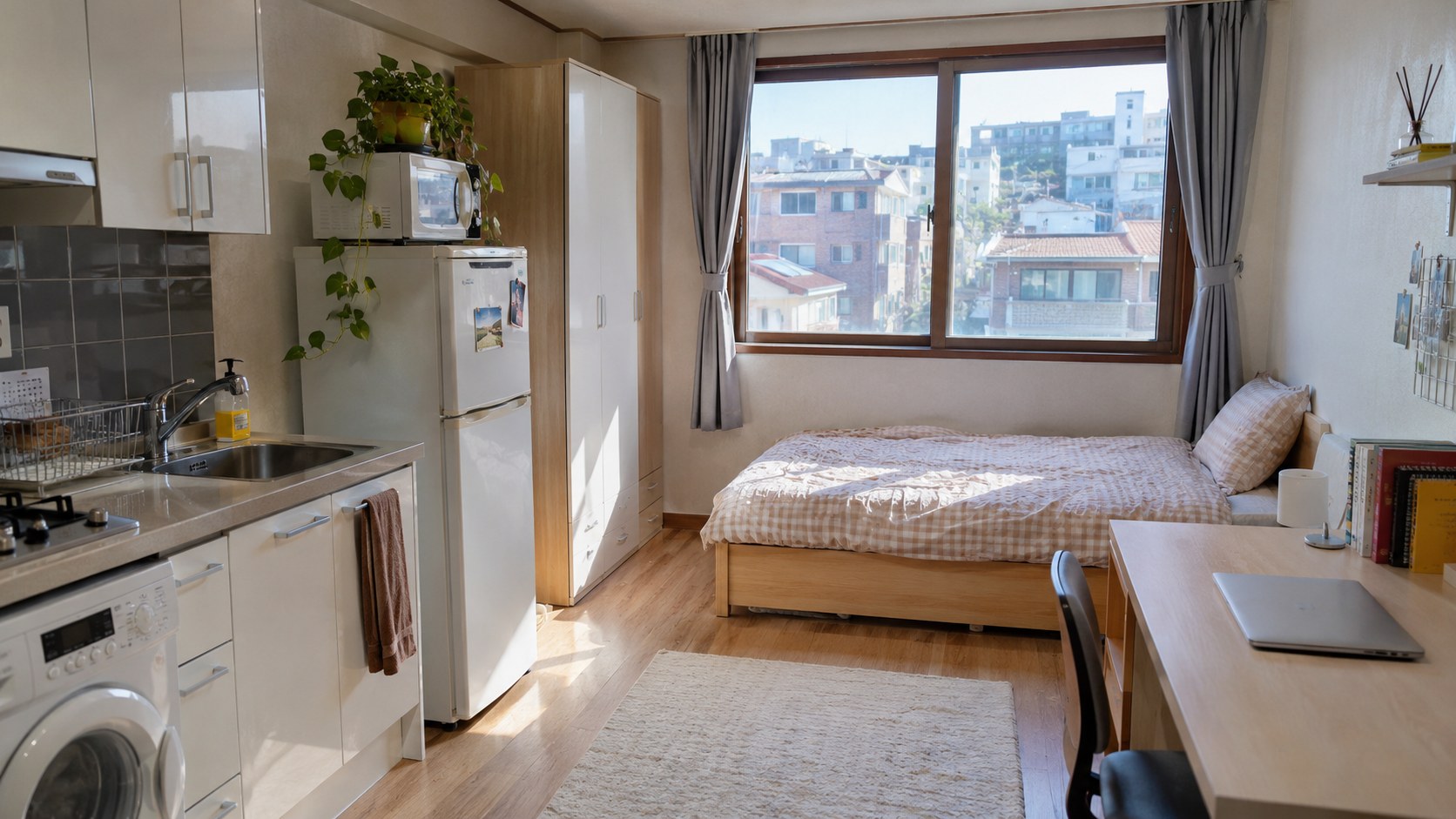
“Housing provided” is an attractive part of a teaching offer in South Korea. It is also the beginning of a conversation. You still need to understand the property, the bills and who handles a problem when something breaks.
Whether your employer arranges a one-room apartment or you are considering a housing allowance, use this checklist to turn a brief benefit description into a workable home.
Ask who signs the lease, who provides any deposit and which costs remain yours. Separate rent from building management charges, heating, electricity, water, internet and move-out cleaning. Request an itemized explanation wherever a charge is unclear.
For EPIK, the official salary and benefits page says accommodation is provided by the relevant office of education, while utilities and maintenance fees are the teacher's responsibility. Accommodation size and location vary. That is program-specific guidance; other employers' agreements need their own review.
If you are offered an allowance, confirm its amount, payment timing and whether you must arrange the deposit yourself. Do not assume an allowance covers the full cost of the property you want.
Ask for recent photos or a video of the assigned property when available, rather than an example of a previous teacher's room. Request the approximate size, floor, address and distance to work. Confirm whether the accommodation is private or shared.
If the exact property is not yet allocated, ask when you will receive details and what process applies if an essential problem appears after arrival.
On move-in day, ask someone to demonstrate the heating and hot-water controls. Test the taps, appliances, locks and lights. Check ventilation, signs of moisture, window seals and any obvious leaks. Learn the building's emergency exit route and how to contact management.
Take dated photographs of existing marks, damaged furniture and meter readings where relevant. Send a written condition record to the responsible person and retain a copy. This creates a shared starting point for later discussions about repairs or move-out charges.
Walk the route to transport and nearby shops. Check the final approach to the building after dark as well as during the day. Ask about waste collection and recycling arrangements instead of copying another building's routine.
Get a named contact for repairs and an out-of-hours contact for urgent issues. Ask what you should do if heating fails or water leaks, and whether permission is needed before calling a contractor.
Confirm whose name is on each utility account, how bills arrive and how you pay them. Request an explanation before paying an unfamiliar charge. Keep payment records together with the housing agreement and condition photos.
Korean rental arrangements may involve wolse, with a deposit and monthly rent, or jeonse, with a much larger lump-sum deposit. The financial commitment deserves independent attention, particularly when you are unfamiliar with the language and paperwork.
Seoul's official housing guidance explains these structures and lists consultation support for foreign residents. Ask a qualified adviser to explain the contract, property records and applicable deposit-protection procedures before transferring a substantial sum. Outside Seoul, check the local authority's support options. A familiar agent or polished listing does not guarantee a deposit's return.
Before moving in, clarify notice, final bills, cleaning, inspection and key return. If accommodation is tied to employment, ask what happens when the contract ends and get the answer in writing. Check any residence-address administration requirements with 1345.
Use our South Korea city comparison to assess the location and our arrival setup guide to organize the next steps. Explore teaching opportunities through GSS's South Korea hub.
Reviewed November 13, 2026. Housing terms and legal procedures depend on the individual arrangement. Featured image: original AI-generated illustration.


Site help, FAQs, blogs, and how our Scouts work